African Culture
First Impressions: A Rich Tapestry of Texture and Story
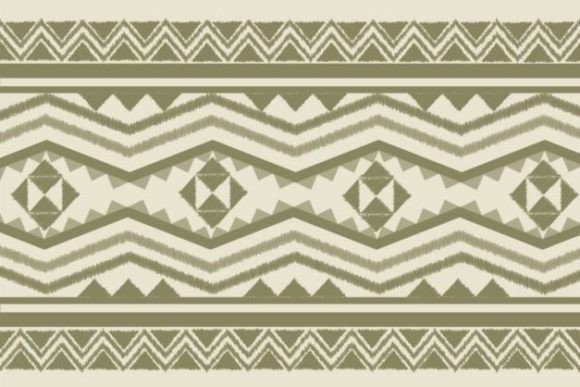
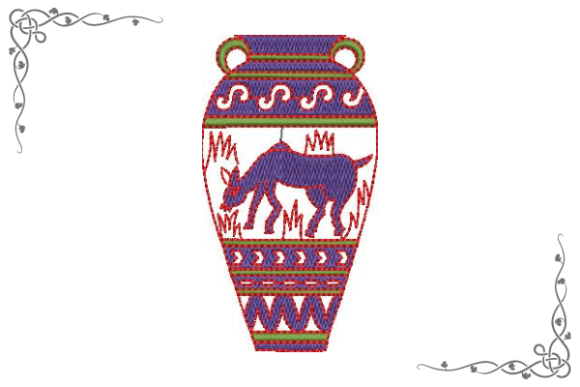
The moment I opened the African Culture embroidery file, I was struck by its layered complexity and visual warmth. The design feels like a story waiting to be stitched into fabric. It’s not just a pattern—it's an experience. The layout is balanced yet dynamic, with a mix of geometric shapes and organic elements that suggest movement and tradition. The satiny fill stitches give it a soft, textured feel, while the running stitch outlines create a sense of rhythm. This is a design that invites you to look closer, to notice the subtle details that make it unique.
Real-World Use Case: Custom Embroidered Tote Bag for a Boutique
Let’s imagine a scenario: a boutique owner wants to create a line of custom embroidered tote bags featuring cultural motifs. The African Culture design fits perfectly here. Its scale and detail are ideal for a medium-sized hoop, and the stitch density allows for clear visibility without overwhelming the fabric. When stitched onto a canvas tote, the design adds a touch of artistry without overshadowing the bag’s function.
However, there are considerations. The thread colors used in the design should complement the fabric’s tone. If the tote is in a dark or muted color, the design may need to be adjusted for contrast. Testing on scrap fabric first is essential to ensure that the final product looks as intended. Also, using the right stabilizer can prevent puckering, especially on thicker fabrics like canvas.
Design Performance Across Fabric Types
The African Culture design performs well on most common embroidery fabrics, but some scenarios require extra care. On thin or stretchy fabrics, the design may need additional support to maintain shape and stitch integrity. For dark fabrics**, the thread color contrast becomes even more important—lighter threads can make the design pop, while darker threads might blend in too much.
On textured fabrics** like denim or linen, the design holds up nicely, but intricate corners and detailed patterns may require careful handling during stitching. The hoop size** also matters; the design is best suited for medium to large hoops to accommodate its scale and detail. Smaller hoops could cause distortion or incomplete stitching, which would affect the final appearance.
Visual Appeal and Customer Perception
When stitched, the African Culture design has a strong visual appeal that can elevate a handmade product. Its artistic quality makes it suitable for both personal use and commercial projects. Customers who receive items with this design often comment on its uniqueness and cultural resonance. However, the design’s complexity means that it may not be ideal for all applications. For example, a holiday gift** like a baby blanket might benefit from a simpler design to avoid overwhelming the recipient.
From a brand perspective, the African Culture design offers a chance to showcase craftsmanship and cultural appreciation. It can help differentiate a craft business or Etsy shop in a competitive market. But consistency is key—ensuring that the design aligns with the brand’s overall aesthetic and messaging will enhance customer trust and recognition.
Practical Design Notes for Embroidery Professionals
As an experienced designer, I recommend several steps before using the African Culture design in a real project:
- Test on scrap fabric** first to assess stitch clarity and fabric interaction.
- Check thread color contrast** against different fabric backgrounds.
- Review stitch density** to ensure it doesn’t damage the fabric or cause puckering.
- Confirm the hoop size** required for optimal stitching results.
- Inspect small details like tiny lettering** and dense stitch areas for potential issues.
- Use proper stabilizer** to support the fabric during stitching.
- Test the design in black and white mockups** to see how it translates across lighting conditions.
- Compare the design on light and dark fabric backgrounds to ensure versatility.
- Ensure you have the correct license** for commercial use if selling finished products or digital files.
- Consider whether the design works for both personal and commercial projects** to maximize its value.
Conclusion: A Thoughtful Choice for Creative Projects
The African Culture design is a versatile and visually engaging option for a wide range of embroidery projects. It brings a unique artistic flair to items like sweatshirt embroidery**, embroidered patches**, and custom apparel**. However, its complexity means that it requires careful planning and execution to achieve the best results.
For those looking to add cultural depth and visual interest to their handmade products, the African Culture design is a thoughtful choice. Just remember to test, adjust, and plan ahead to ensure that your final product reflects the quality and intention behind the design.